The Easiest Way to Install Landscape Lighting
Since you started reading this article it means you are searching for the easiest way to install low-voltage landscape lighting. Do you think landscape lighting looks great but hesitate to install it yourself? Do you feel nervous about dealing with wire connection? Do you want to install outdoor lights like a pro but in an easy way?
You’re not alone if you said “yes” to any of these questions! Although I’ve always admired how beautiful homes look with well-lit landscapes at night, the idea of installing the lights myself felt overwhelming. The thought of doing the lighting yourself seemed difficult. How do you start? Which tools are needed? Do you need an electrician? Let’s begin….
What is Low Voltage Landscape Lighting
Low-voltage landscape lighting uses a voltage transformer to convert the typical 120-volt home power to a safer, lower voltage. For outdoor lighting, this is typically decreased to 12 or 24 volts, with 12 volts being the most generally utilized. This system is commonly used for landscape features like pathway lights, flood lights, and accent lights.
Advantages of Low Voltage Landscape Lighting
Low-voltage landscape lighting offers several key advantages for homeowners:
- Safer to install compared to high voltage options
- Safe to use in wet environments
- Pet- and kid-friendly, even if the wires are disturbed
- No need to bury wires in the conduit
- More energy-efficient
- Simple installation since there’s no need to worry about wire polarity
Choose the Best and Perfect Landscape Lighting
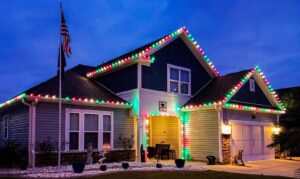
Choosing the best landscape lighting requires a balance of planning and style. First, you have to set a budget. It will help you from overspending. Then make sure your outdoor lighting works well with your indoor lighting and overall design for a cohesive look. Consider the seasons, as different times of the year may require different levels of lighting. To keep your space well-lit and safe, make sure all areas are evenly illuminated to avoid dark spots that could reduce visibility or security. Use different types of lights like spotlights, floodlights, lanterns, and fixed lighting to highlight key features. With the right choices, you can create a beautiful, well-lit outdoor space that enhances both safety and ambiance. If you are looking for help and a perfect setup contact Goterra Landscape Lighting
Select the Appropriate Transformer
The transformer is an important part of a low-voltage lighting system because it transforms high-voltage energy from your house to safe, low voltage. To pick the appropriate transformer:
- Calculate the overall wattage of your lighting fixtures.
- Choose a transformer, which has a capacity of 20-30% more than your overall wattage to allow for future upgrades.
- Make sure it can withstand outside weather and includes features like a built-in timer.
Tools are needed
Before starting your installation, gather all necessary tools and connectors, such as:
- Wire strippers
- Weatherproof wire connectors
- Cable ties
- Hammer or rubber mallet
- Tape measure
Planning about landscape lighting layout
When you are planning for landscape lighting, start with choosing the main landscape features you want to highlight, such as trees, statues, or water features. Then, decide where to place pathway lights to make your walkways safe and attractive. Pay attention to how far apart the lights are and the angles they create, ensuring even lighting to avoid dark spots. This will help create a balanced and appealing look. Adjust the light angles to add depth and highlight the best parts of your garden.
When you’ve planned your layout and gathered all the equipment, it’s time to execute the installation.
- Arrange lights in the planned layout: Place those lights according to your design plan. Make any required modifications to create equal lighting and highlight important areas.
- Connect wires to the transformer: You have to use waterproof connectors for safety. Then link your light fixtures to the main cable and connect the cable to the transformer.
- Secure fixtures into the ground: Securely drive stakes into the ground and attach the light fixtures. It makes sure they are stable and won’t shift or tip due to weather conditions.
- Test functionality of the lighting system: Turn on the transformer and check that each light functions properly. Don’t forget to Adjust the brightness.
Finalizing Installation with Finishing Touches
Once your landscape lighting system is installed and functioning, it’s time to add the finishing touches.
- Bury wires for a clean appearance: Use a small shovel or garden trowel to bury the wires about 3-6 inches deep. This will give your yard a cleaner look and protect the voltage cable from damage.
- Set timers for automated lighting control: If your voltage transformer has a timer, set it to turn the outdoor lights on and off automatically. This will help save energy and ensure your outdoor space is lit even when you’re not around.
Weatherproofing and Maintenance
To keep your landscape lighting system working for years to come, follow these maintenance tips:
- Treat copper fixtures for longevity: If you have copper light fixtures, regularly clean and treat them to prevent tarnishing. A simple blob of sealant can help to protect exposed areas.
- Ensure proper weather conditions for installation: Install your lighting system in dry weather to prevent bad connection or electrical issues during the process.
- Check fixtures regularly: Regularly inspect your light fixtures to ensure they’re working properly, especially after storms or harsh weather.